説明
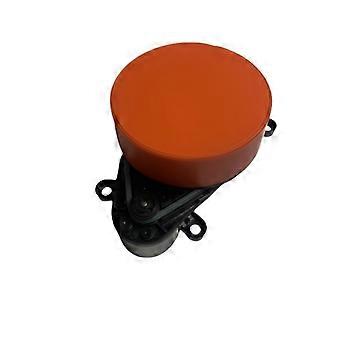
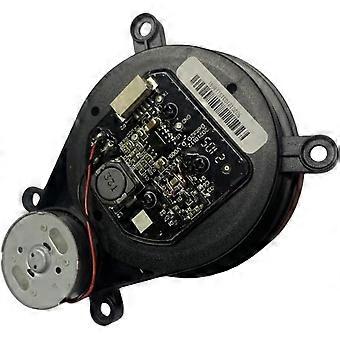
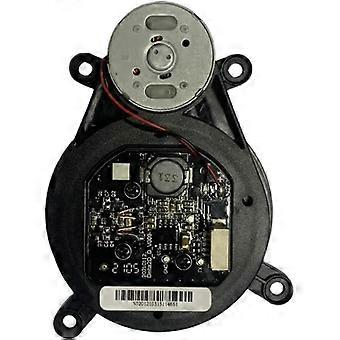
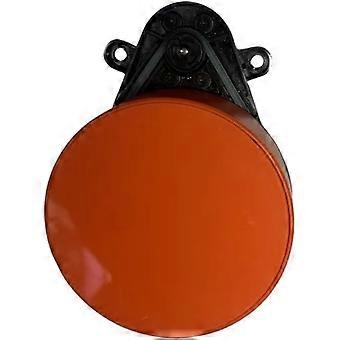
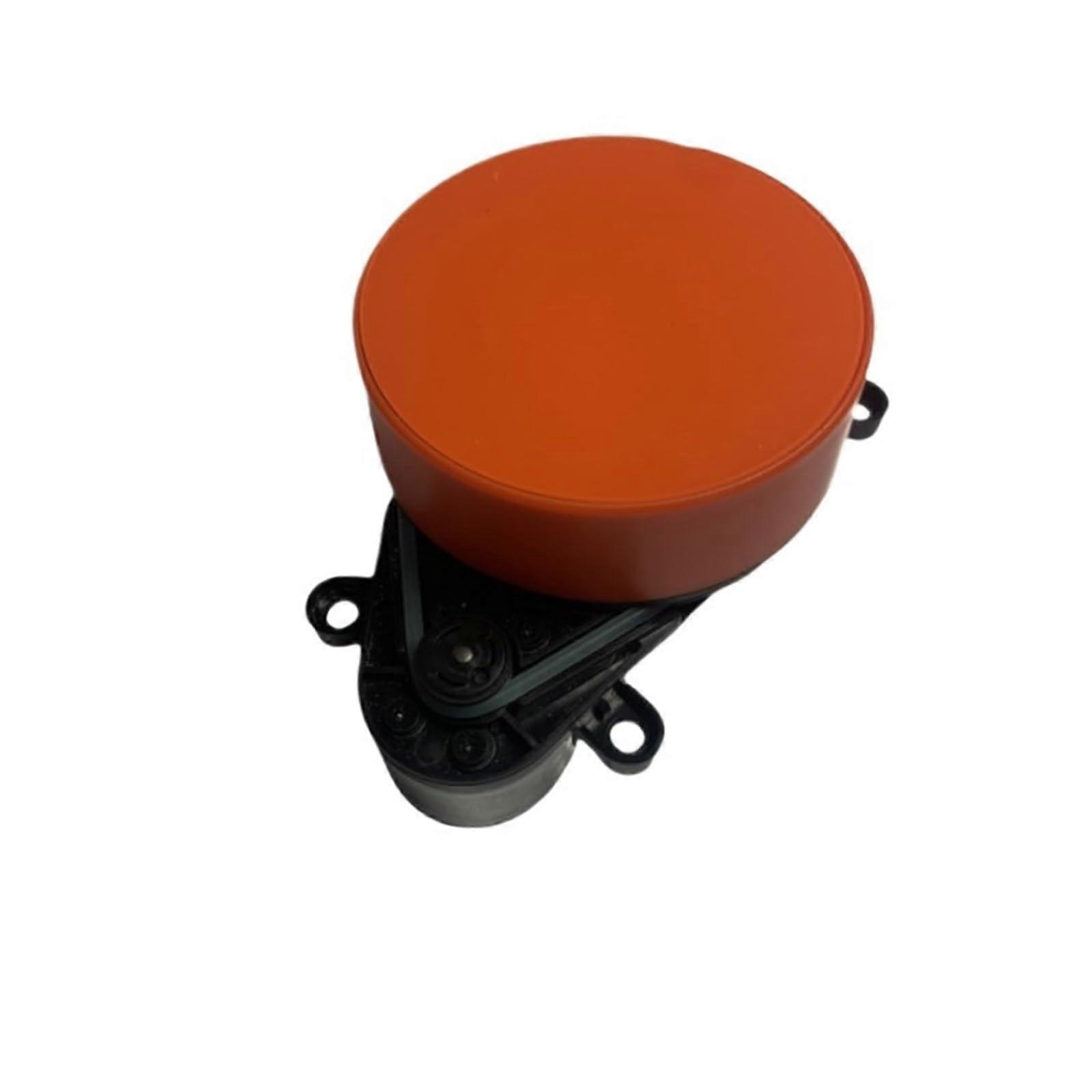
Robot Vacuum Sensor LDS Distance Module for Mijia 3C Plus C103 E10 B112 Precision Mapping
Key benefits — why this sensor matters
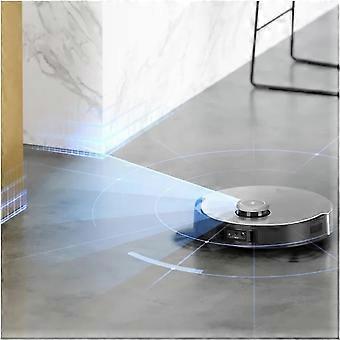
Reliable operation in realworld conditions: Builtin narrowband filter and noisereduction algorithm reduce interference from strong light and other environmental noise, so mapping and navigation remain stable where simpler sensors fail.
More accurate mapping over time: The adaptive algorithm dynamically calibrates measurement errors and produces precise maps, reducing navigation errors and improving cleaning efficiency.
Easy integration and compact fit: Designed to meet robots' size and batterylife constraints and to withstand harsh temperature environments, the unit installs without changing robot layout or power budgets.
Fast deployment for OEMs and service teams: A standardized interface works with mainstream robot vacuum mainboards with no modifications required, saving engineering time and lowering retrofit cost.
Key features and what they deliver
Antiinterference capability
Function: Narrowband optical filter plus noise reduction algorithm.
Benefit: Maintains sensor reliability near windows, under strong lighting, or around variable ambient light sources.
Algorithm adaptation
Function: Dynamic error calibration and mapbuilding.
Benefit: Delivers consistently precise maps that adapt to sensor drift and changing environments, improving route planning and obstacle avoidance.
Practical physical design
Function: Compact footprint and design tuned to typical robot battery constraints; rated for operation in wide temperature ranges.
Benefit: Fits into existing robot form factors without reducing runtime or requiring thermal management changes.
Compatibility and installation
Function: Standardized electrical and communications interface compatible with mainstream robot vacuum mainboards.
Benefit: Plugandplay installation with no mainboard modifications, simplifying manufacturing and field replacement.
Performance and reliability highlights
Maintains mapping accuracy in strong or fluctuating lighting conditions.
Adapts to changing sensor characteristics over the product lifecycle through onboard calibration.
Designed to meet both mechanical size and power constraints typical of robot vacuum platforms.
Operates in harsh temperature environments common to industrial or seasonal household conditions.
Standardized interface minimizes integration effort and avoids mainboard modifications.
Practical use scenarios
Sunlit living rooms: A robot vacuum operating near large windows uses the sensor's narrowband filter and noisereduction algorithm to avoid false readings from sunlight, keeping mapping and navigation accurate for consistent cleaning.
Cold storage or heated warehouses: Cleaning robots deployed in temperature extremes continue to map and navigate reliably thanks to the design's support for harsh temperature environments and onboard algorithmic calibration.
OEM integration and aftermarket upgrades: Manufacturers and service technicians can install the sensor on mainstream robot vacuum mainboards without modifying the board layout, enabling fast product variants or field replacements.
What makes this product stand out
Combines optical filtering and softwarelevel noise reduction for robust antiinterference performance.
Uses adaptive calibration to produce precise, updatable maps rather than a onetime factory calibration.
Balances compact size and power considerations with durability in temperature extremes.
Standardized interface ensures broad compatibility and plugandplay installation with mainstream robot vacuum controllers.
Compatibility note
Standardized interface is designed for compatibility with mainstream robot vacuum mainboards and requires no mainboard modifications for installation.
-
Fruugo ID:
451968369-953289326
-
EAN:
6911318091571