説明
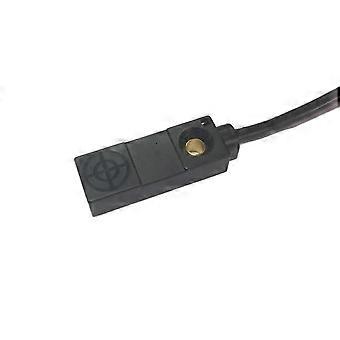
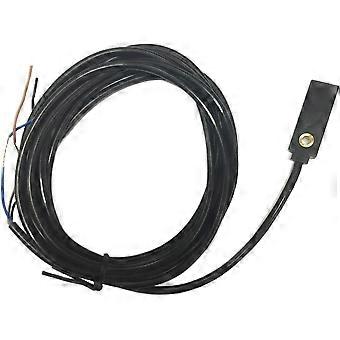
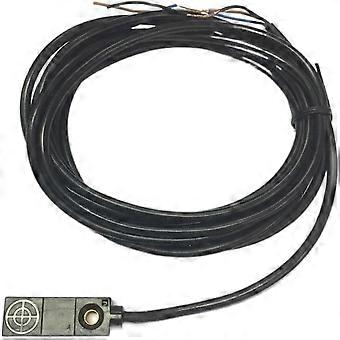
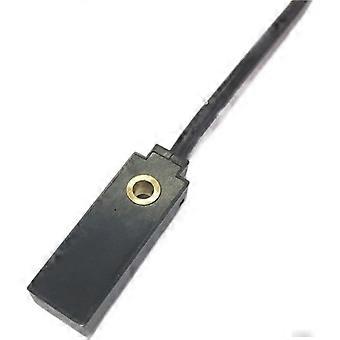
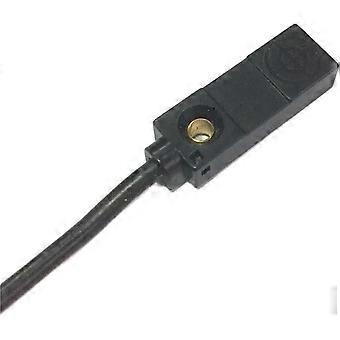
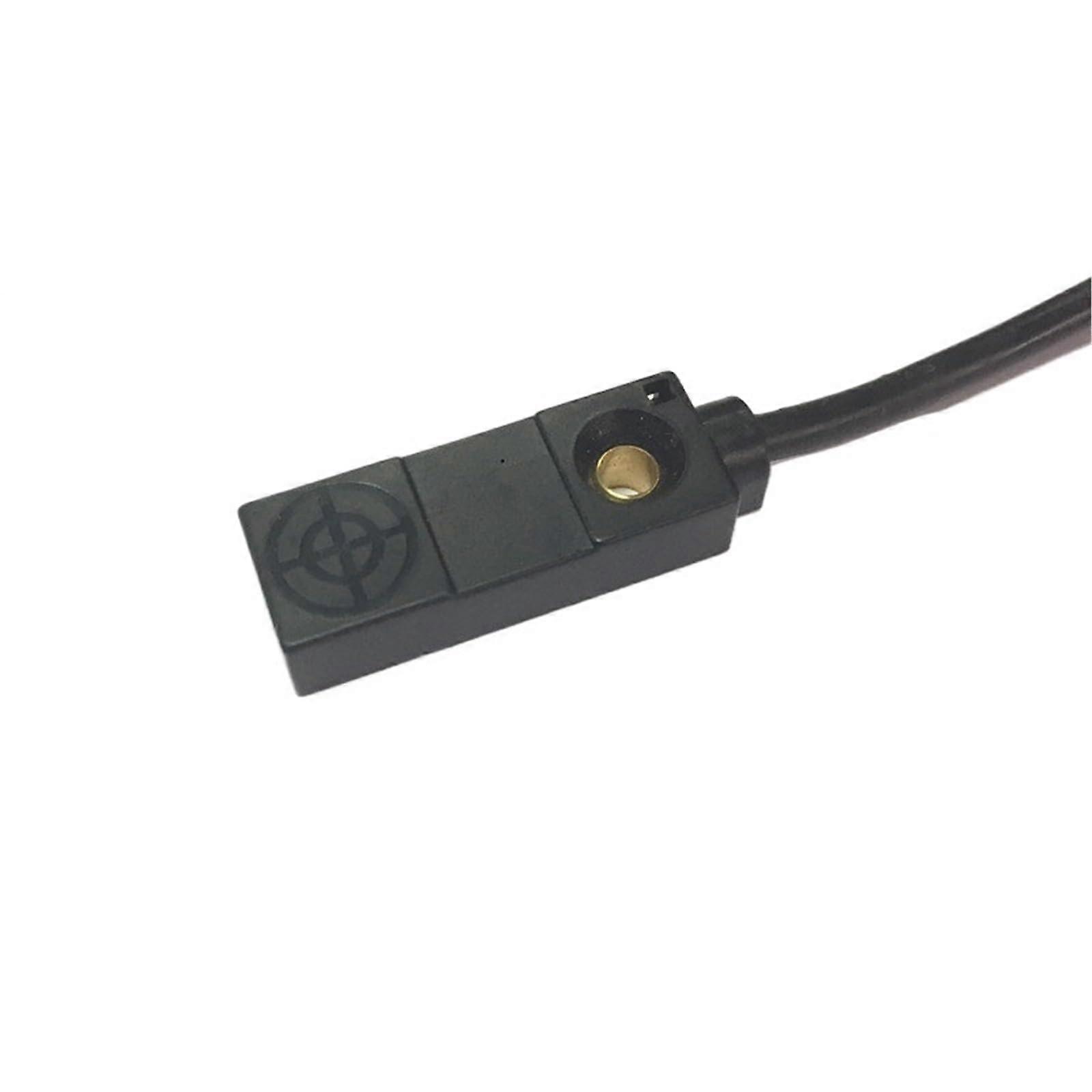
TLW3MC2 NPN NC Inductive Proximity Sensor 3Wire Metal Detector with Precision Detection
Sensors
Clear, practical description for and integration
Key benefits — why you need these sensors
Reliable detection: Provide consistent, repeatable measurements so systems respond accurately to changing conditions.
Problem solving: manual monitoring, reduce downtime, and enable automated control by converting physical signals (motion, temperature, pressure, position, etc.) into actionable data.
Easy integration: Designed to work with common system architectures so installation and commissioning take less time and engineering effort.
What they do (function)
Convert physical phenomena into electrical signals for monitoring, control, or data logging.
Support realtime feedback to controllers, data acquisition systems, or embedded electronics.
Serve as the input layer for automation, safety systems, and performance optimization.
Important attributes
Compatibility: Built to integrate with standard electrical and communication interfaces used in industrial and consumer systems, allowing connection to controllers, PLCs, microcontrollers, and DAQ equipment.
Size and form factor: Available in compact footprints suitable for tight installations as well as larger forms for industrial mounting; selection should match your mechanical and space requirements.
Materials and durability: Constructed from materials appropriate for intended environments (indoor, outdoor, industrial), with options for sealed housings or rugged enclosures where exposure or contamination is a concern.
Performance: Provide stable output and repeatable response over expected operating ranges; select the sensor type and rating that match your required accuracy, resolution, and response time.
Power and signal conditioning: Compatible with common supply voltages and offer conditioned outputs ready for systemlevel use; many types are suitable for lowpower applications.
How to choose (practical guidance)
Match the sensor type to the measured quantity (e.g., temperature, pressure, position, motion, proximity).
Verify electrical interface and output format to ensure compatibility with your controller or data logger.
Confirm environmental ratings (temperature range, ingress protection, chemical resistance) against your installation conditions.
Select appropriate mounting and cable options to simplify installation and reduce maintenance.
Typical applications (realworld scenarios)
Building automation: Monitor temperature, humidity, and occupancy to optimize HVAC control and energy use.
Industrial equipment monitoring: Track vibration, position, or pressure to detect wear, trigger maintenance, and prevent unplanned downtime.
Consumer and embedded devices: Provide proximity, motion, or environmental sensing for smarthome products, wearables, or IoT devices.
What to expect during installation and operation
Straightforward electrical connections and standard mounting options minimize installation time.
Calibrate or configure according to system requirements; many sensors are ready to use with minimal setup when matched to the target application.
Regular inspection and periodic recalibration (depending on environment and criticality) help maintain longterm accuracy.
If you need help selecting the right sensor type or matching interfaces and environmental ratings to your system, provide the measured parameter and operating conditions so the correct option can be recommended.
-
Fruugo ID:
458722016-966505819
-
EAN:
6116142329436